
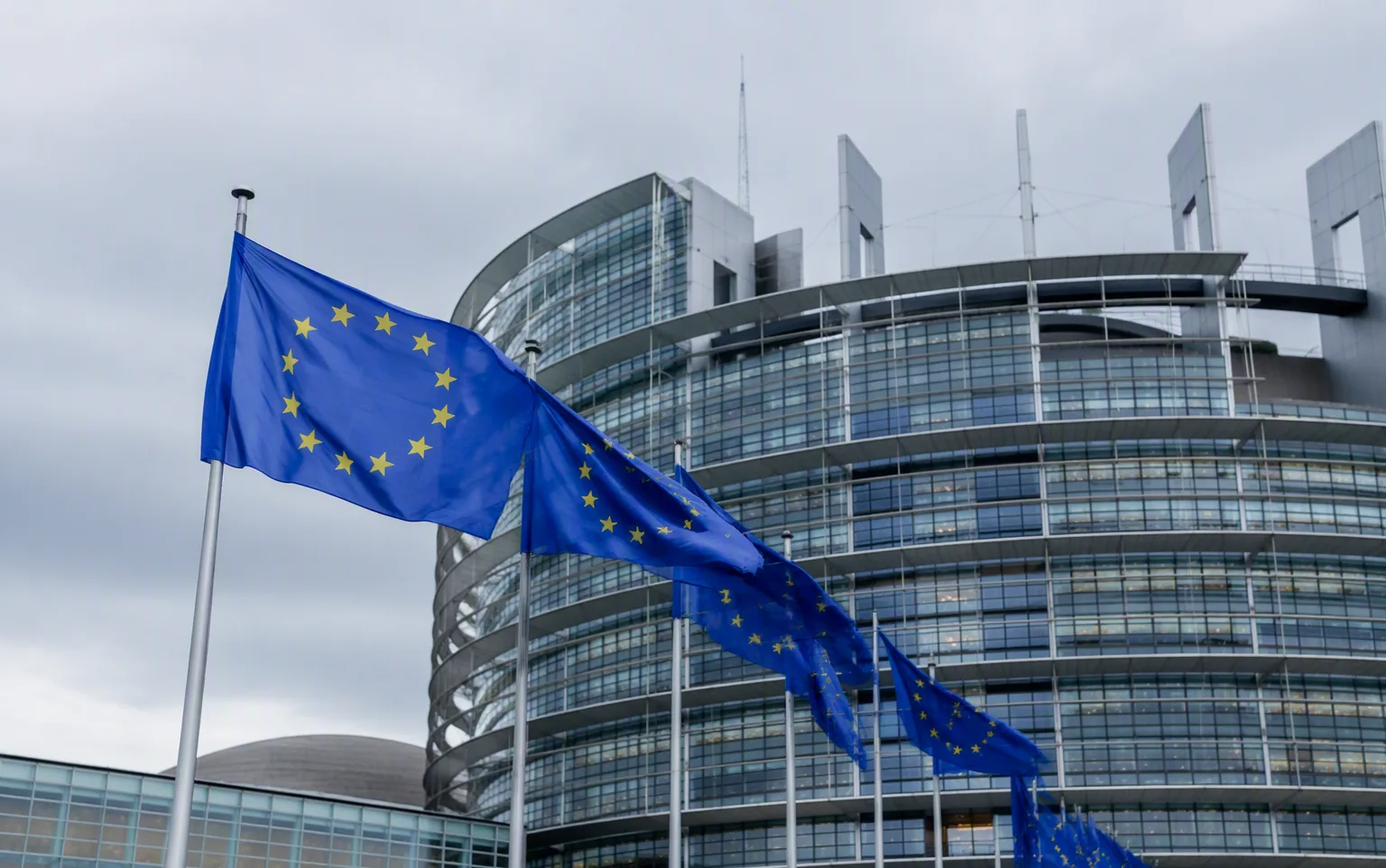
Government has formally rejected a European Parliament resolution on Zambia's post-election situation, describing it as premature and insufficiently informed — setting up the sharpest diplomatic disagreement of President Hichilema's second term so far.
The resolution, adopted in Strasbourg on 17 September, addresses the tense weeks since the 13 August general election, including the treason charges against opposition leader Brian Mundubile and eighteen others, and calls for an independent investigation into the killing of former minister Mutotwe Kafwaya during a security operation in Kabulonga last month.
Brussels has been watching Lusaka closely since August, when the EU's own election observation mission described a competitive contest held on what it called an uneven playing field, while crediting the transparency of the count itself.
"The government holds that its courts and its institutions must be allowed to work without pre-judgment from outside."
Lusaka's position, communicated through the Ministry of Foreign Affairs, is that domestic legal processes — including the habeas corpus proceedings and petitions already before the courts — are the proper forum, and that the resolution risks prejudging them. Opposition figures have welcomed the European intervention as overdue.
What it means in practice: no sanctions or measures are attached, but the resolution raises the diplomatic cost of the post-election crackdown and keeps the Kafwaya killing on the international agenda. Lusaka Brief is tracking both the court cases and the diplomatic fallout.
Back to the front page